Co-Curricular Experience
Fostering Connection for Graduate Students
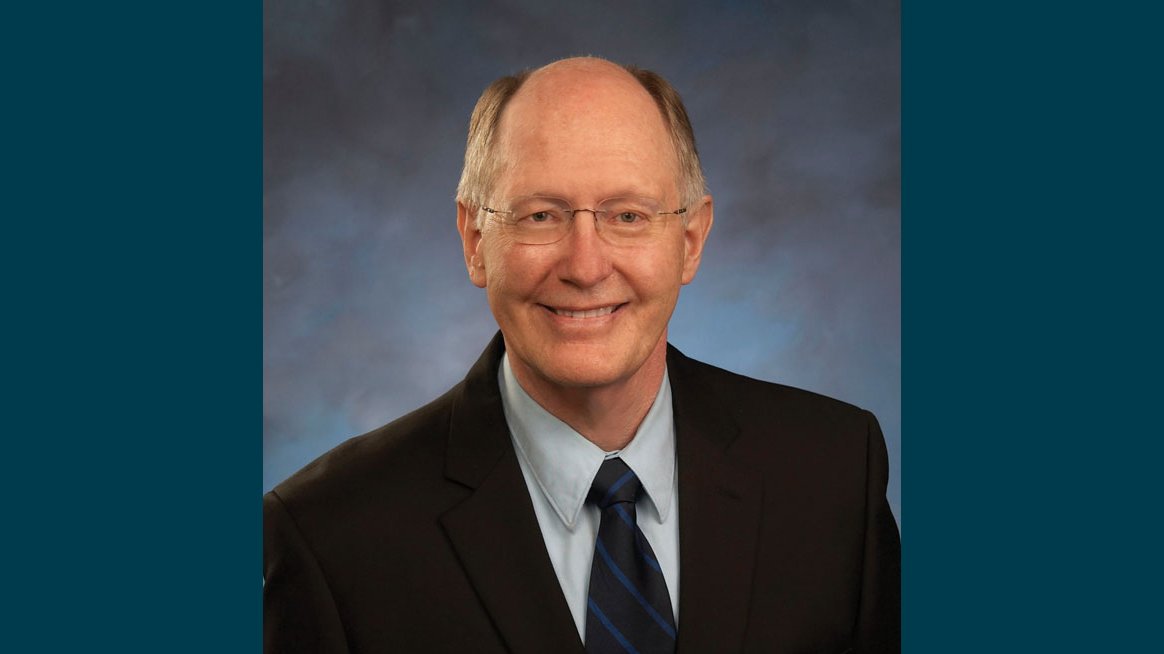
Through estate planning, Antony "Tony" Bakke (PhD ’78) is helping to link graduate students to everything that makes the Caltech community special.
Not long after earning his PhD in biochemistry in 1978, Tony Bakke made his first donation to Caltech. Since then, he's been a steady donor to the Caltech Fund, the Graduate Fellowship Fund, and other funds that address the evolving needs of the Institute.
For his next philanthropic act, he's amplifying his impact.
As part of his estate planning, he has created the Tony Bakke Graduate Student Support Fund. With this endowment, he wants to deepen the connection graduate students have with the Institute by investing in community-building programming and mentorship opportunities.
"I've had so many opportunities because of Caltech," says Bakke. "I've been able to lead a fulfilling life, and it's important to give back so that other grad students have the same benefits."
Caltech Activates Your Brain
For Bakke, the benefits of attending Caltech were both academic and social.
Academically he was involved in research on controlling mechanisms for gene expression. Outside of the lab, he attended lectures by Nobel Laureate and Professor of Physics Richard Feynman and had informal conversations with other laureates on campus.
Some of his fondest memories are of the bonds he formed within the campus community. He joined the Caltech Jazz Band and played tenor saxophone. For his first year Bakke lived in graduate housing. There he played a game of chess every day with his neighbor across the hall. "He had a photographic memory and had memorized all the chess openings out of a book," says Bakke, who didn't win a single game that year. Another friend still works at the Jet Propulsion Laboratory, managed by Caltech for NASA.
"There are so many interesting people and programs at Caltech, it activates your brain, and you are thinking all the time," he says. "There is so much excitement and so many opportunities to come up with new ideas, you almost have to be careful you don't go off on too many tangents."
Bakke believes the sooner grad students tap into that community, the more enriched their learning experience can become.
"It's easy to get so focused on one detail of your research that you don't see anything outside it," he says. "By interacting with extremely intelligent people who have completely different points of view, it makes your mind broaden so you might come up with a new idea that allows you to go in a different direction."
He adds that "…having been in that environment opened so many doors for me. A Caltech degree gives you a leg up in so many situations."
Advancing the Use of Flow Cytometry in Immunology
One of the first doors to open for him was a postdoctoral fellowship at Scripps Clinic. According to Bakke, they were one of the first labs in the country to purchase a flow cytometer, an instrument that can analyze the physical and chemical characteristics of individual cells or particles using lasers. He became fascinated by its ability to analyze the characteristics of cells. Soon he was in charge of the instrument, helping researchers across labs and conducting his own research in immunology.
Bakke's early research at the University of Southern California's medical school focused on identifying certain cells that are a primary defense against viral infections as well as some types of cancer such as leukemia. Bakke later established and directed both the pathology department and the Knight Cancer Institute's flow cytometry labs at Oregon Health & Science University. There he worked and taught for nearly 30 years. His focus shifted to autoimmune diseases, evaluating patients with lupus and rheumatoid arthritis. He also made flow cytometry available to different research groups.
His contributions to the field led to him being elected president of the Association of Medical Laboratory Immunologists in 2012.
Investing in Students
In the pathology department at the university, Bakke taught students in the medical technology program. While the program helped to prepare students to perform routine lab work, Bakke also mentored several students who later advanced to medical and dental school.
"Seeing students' interest in understanding medicine and science was one of the highlights of my career," he says. "I really got to know my students and looked for ways to help them."
According to Bakke, it was an eighth grade science teacher who first noticed his own potential as a researcher. "He let us stay late in the laboratory to dissect a frog, make electrical circuits, and stuff a racoon. He was quite the taxidermist," says Bakke. "Since then, I've wanted to be a research scientist."
It was a faculty member at Washington State University, where he earned a BS in biochemistry, who told him about Caltech. Bakke was accepted everywhere he applied but chose the Institute for its reputation and smaller size.
Endowing a fund at the Institute continues his legacy of philanthropy and helps future master's and doctoral students pursue their passions at the highest level.
"It's hard to be thrown into a new environment," he says. "I want to support Caltech's efforts to help graduate students get oriented and connected with their programs, their faculty, and each other."